Bilingual marketingComplianceQuebec
Bilingual marketing in Quebec: a Bill 96 field guide
What Bill 96 changes for bilingual marketing in Quebec: websites, ads, packaging and signage, and how founder-led brands keep French and English in sync.
By JADX Agency · Published · 4 min read

Bilingual marketing in Quebec used to be treated as a translation task at the end of a campaign. Since Bill 96 amended the Charter of the French Language in 2022, it is a planning question instead: French has to be part of the brief, the budget and the calendar from the start. This guide covers what changed for founder-led brands selling in Quebec, and how to run French and English as one system rather than two.
This article is general information, not legal advice. For your specific situation, talk to a lawyer who works with the Charter of the French Language.
What Bill 96 changed for marketers
Bill 96, An Act respecting French, the official and common language of Québec, was adopted in 2022 and rolled out in stages. For marketing teams, three ideas matter most:
- French is the default, not the courtesy. Commercial communication aimed at Quebec consumers must be available in French, and a French version cannot be less available or on less favourable terms than another language.
- Enforcement got sharper. The Office québécois de la langue française (OQLF) handles complaints and compliance, and the amended Charter raised the stakes for businesses that ignore it.
- The trademark exception narrowed. Since June 1, 2025, rules on signage and product labelling put more weight on French even when a brand name is in English.
Where French has to show up
Your website and e-commerce
If you sell to Quebec, your site needs a French version that is as complete as the English one: product pages, checkout, policies, transactional emails. A French homepage that falls back to English two clicks in is the most common gap we see in audits.
Advertising and social content
Commercial advertising must be in French. You can run English alongside it, but the French version cannot be the afterthought: same offer, same prominence, same timing. For paid social, that usually means planning French creative and copy in the same production sprint as English, not translating approved English assets a week later.
Packaging and product information
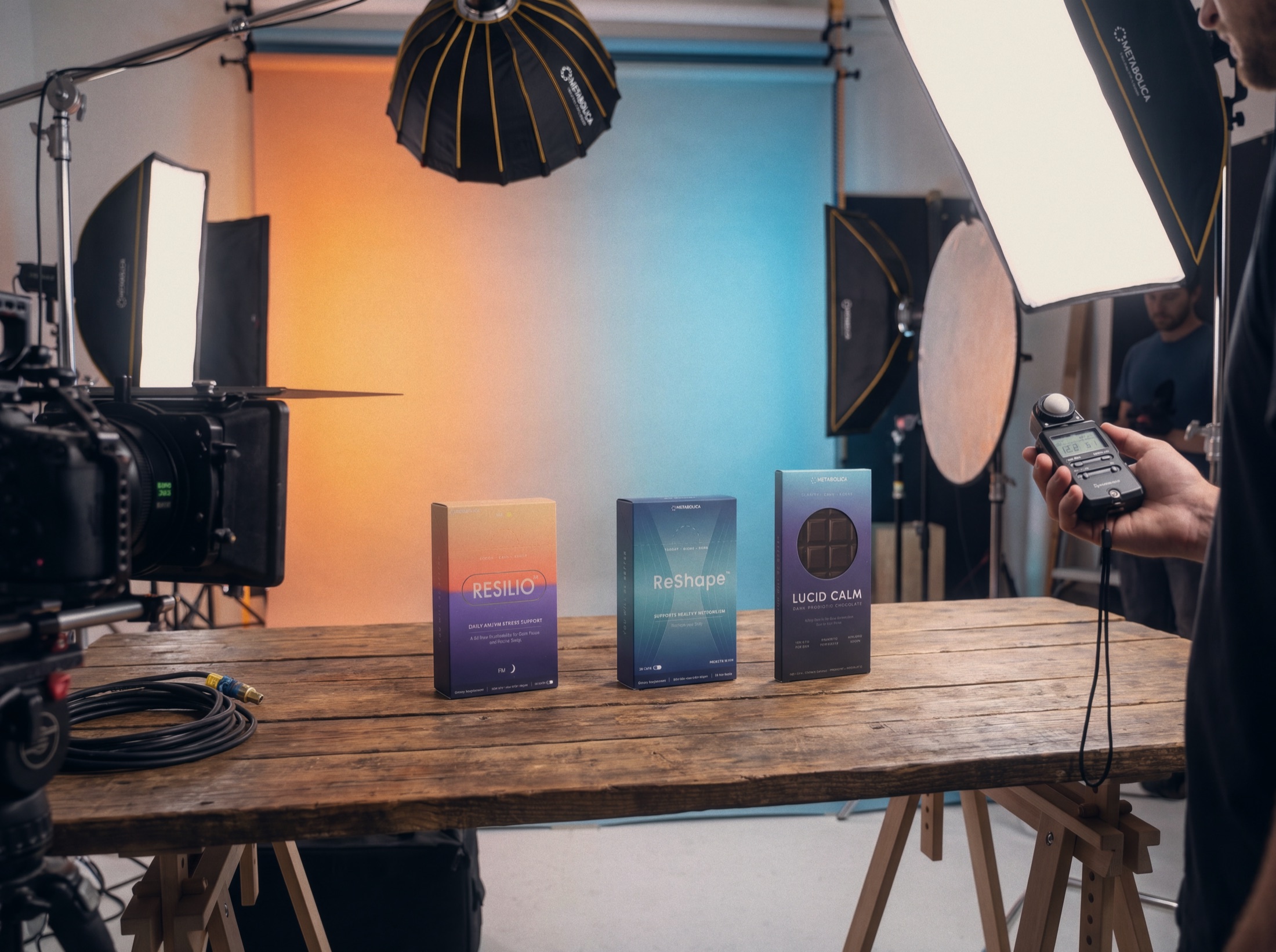
Product information, including what’s printed on packaging, must be in French. Since June 2025, generic or descriptive words that appear alongside a recognized trademark generally need a French equivalent, even when the brand name itself stays in English.
Storefronts and signage
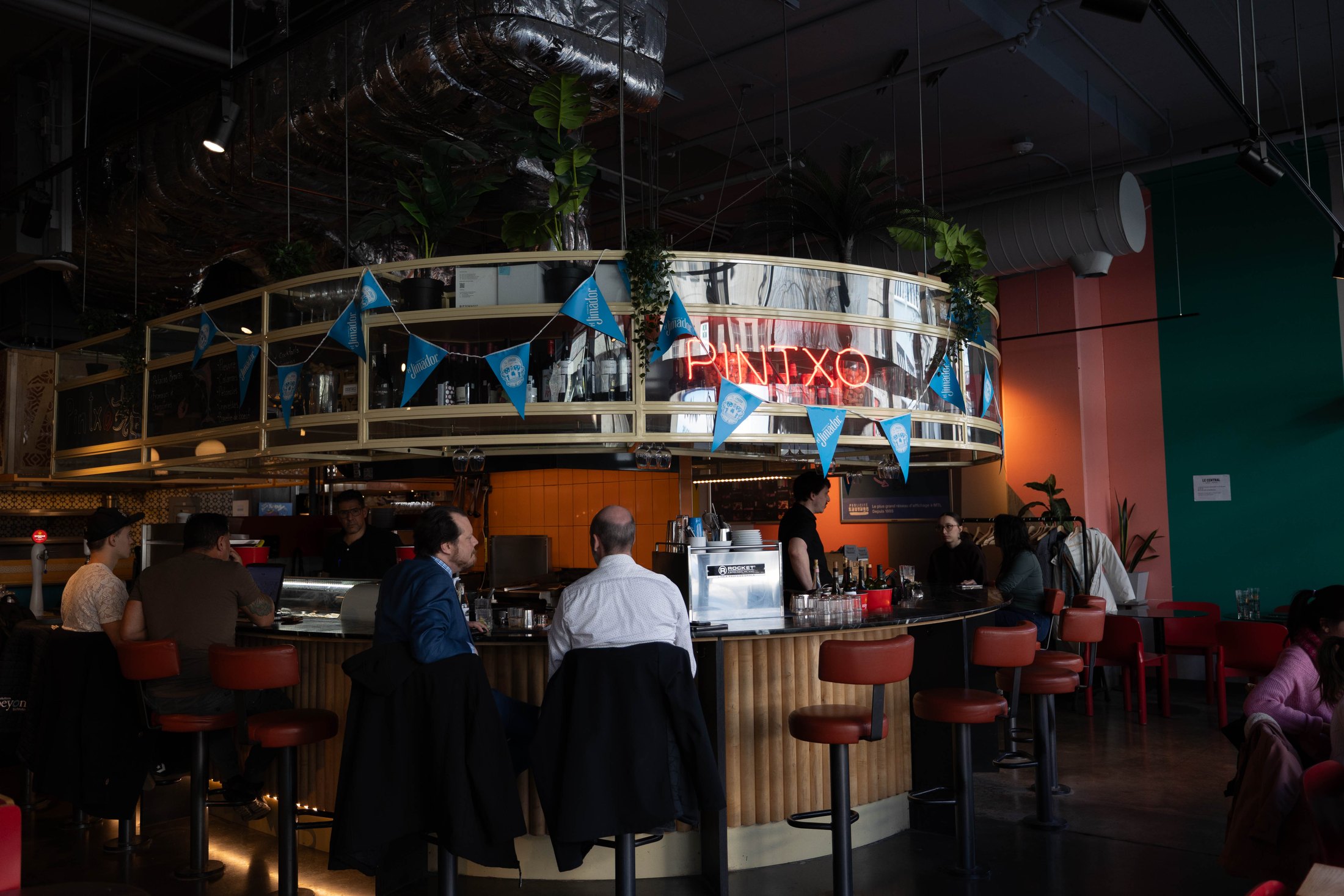
For signage visible from outside a business, French must now be markedly predominant when a trademark in another language is displayed. That affects window graphics, retail fixtures and event signage, so it belongs in the design brief.
Running French and English as one system
The brands that handle this well don’t “do compliance”. They build one bilingual system:
- One brief, two languages. Every campaign brief names the French and English deliverables together, with the same deadline.
- Native writing, not translation. French copy written by a native Quebec writer reads better and converts better than translated English. Idioms, humour and offers often need adapting, not swapping.
- One design system with room for French. French copy usually runs noticeably longer than English. Layouts, buttons and ad templates should be built for the longer language first.
- A review step with a checklist. Before anything ships, someone checks French availability, prominence and terminology against the Charter.
This is the way we run brand, content and paid media for clients: one senior team producing both languages in the same sprint. If you want a starting point, our free Marketing X-Ray flags bilingual and compliance gaps across your site, ads and social, and our method shows how the French work fits into each planning cycle.
A quick self-check
Ask these five questions about your current marketing in Quebec:
- Is every page of your site, including checkout and policies, available in French?
- Do your French ads launch on the same day as your English ones?
- Does your packaging translate descriptive words next to your trademark?
- Is French markedly predominant on any outdoor-facing signage?
- Does a native French writer, not a machine, own your French copy?
If you answered “no” or “not sure” to two or more, bilingual marketing deserves a line in next quarter’s plan.
FAQ
Does Bill 96 apply to businesses outside Quebec?
It applies to commercial activity aimed at Quebec. If you sell to Quebec consumers online, ship products there or advertise to them, the French-language requirements cover that activity even if your company is based elsewhere in Canada or in the U.S.
Can I keep my English brand name?
Generally, yes. A recognized trademark can stay in English. What changed in 2025 is the text around it: generic and descriptive terms on products need a French equivalent, and French must dominate on outdoor signage that shows the trademark.
Is machine translation enough to comply?
The Charter cares about French being available and not less favourable, not about how it was produced. In practice, raw machine translation often reads poorly, misses Quebec usage and hurts conversion, so most brands use native writers or careful human review.
Do social media posts need to be in French?
Commercial posts aimed at Quebec consumers should have a French version. Many brands run separate French and English accounts or post both versions together. What matters is that the French content is not secondary.
Who enforces the rules?
The Office québécois de la langue française (OQLF). It receives complaints, works with businesses to correct issues, and can escalate when problems aren’t fixed.
A monthly note from JADX
Keep reading The Fine Print
One email a month for founder-led brands: brand, content, and paid media run as one system, plus the bilingual and compliance details most agencies skip. From the senior team doing the work. No fluff.