Short-form video strategy without a studio
Build a short-form video strategy without a studio: plan pillars, batch-shoot once a month and turn one shoot into weeks of Reels, TikToks and Shorts.
By JADX Agency · Published · 8 min read
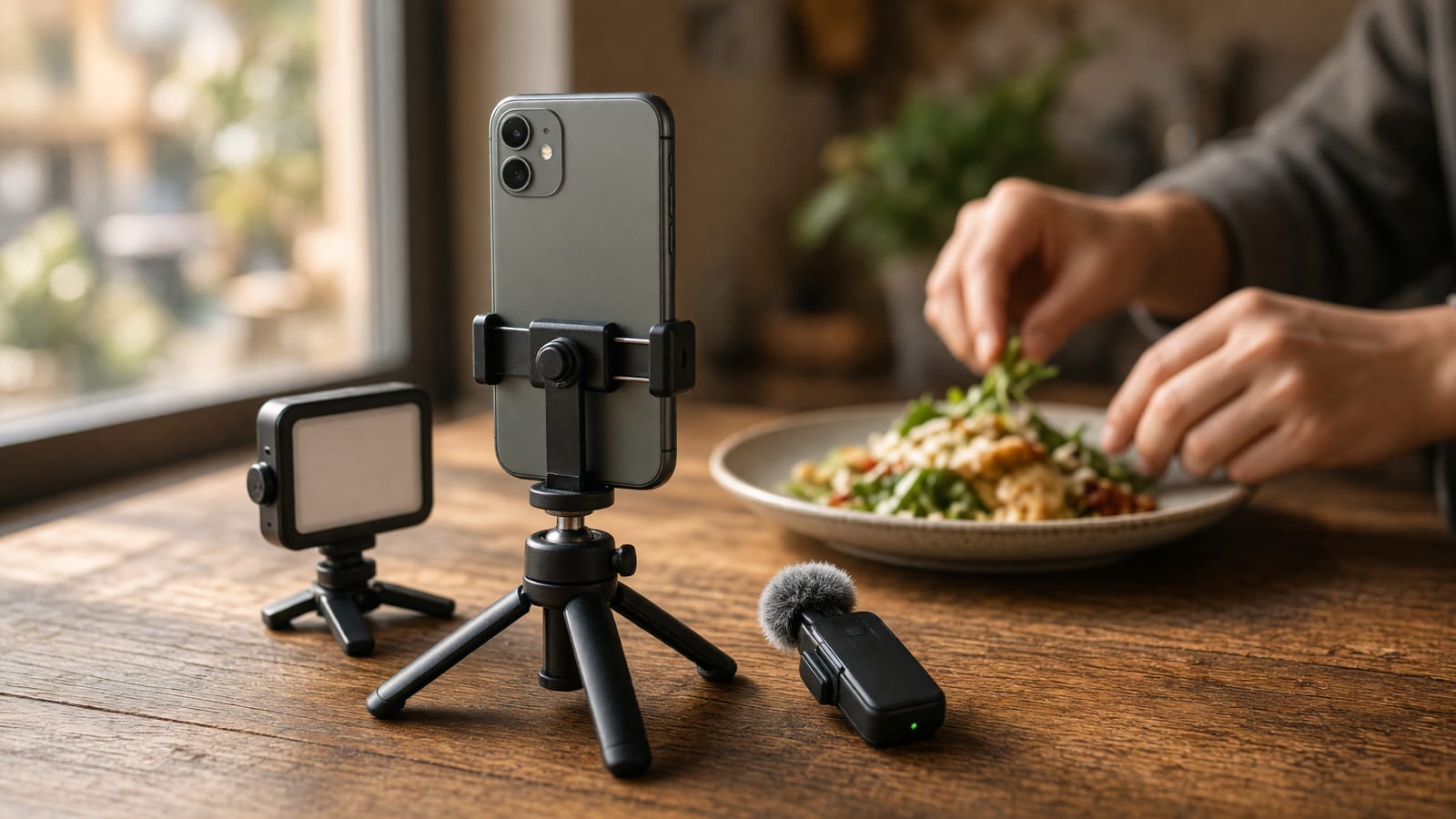
A good short-form video strategy for a founder-led brand is less about owning a studio and more about owning a system: a clear plan, one efficient shoot a month, and an editing process that turns a few hours of footage into weeks of posts. Most small brands that struggle with Reels, TikTok and Shorts don’t lack ideas or gear. What they lack is a routine they can repeat. Here is how to build one with a phone, a few accessories and a realistic amount of founder time.
Know the formats before you plan
Length limits have grown, which changes what “short” means in 2026:
- Instagram Reels: up to 20 minutes, but Instagram says reels over 3 minutes won’t be recommended to new audiences. Instagram raised the cap from 90 seconds to 3 minutes in January 2025 and made reels up to 3 minutes eligible for recommendation.
- YouTube Shorts: up to 3 minutes since October 2024, up from 60 seconds.
- TikTok: accepts much longer videos than either, so length is rarely the limit there.
The cap is a ceiling, not a target. A 20-second clip that delivers one idea well will usually beat a 2-minute clip that wanders. Let the idea set the length, then check that it fits all three platforms. If you keep most cuts under 3 minutes and shoot vertically (9:16), one master edit can run everywhere with small adjustments.
Plan: decide what you’ll say before you film
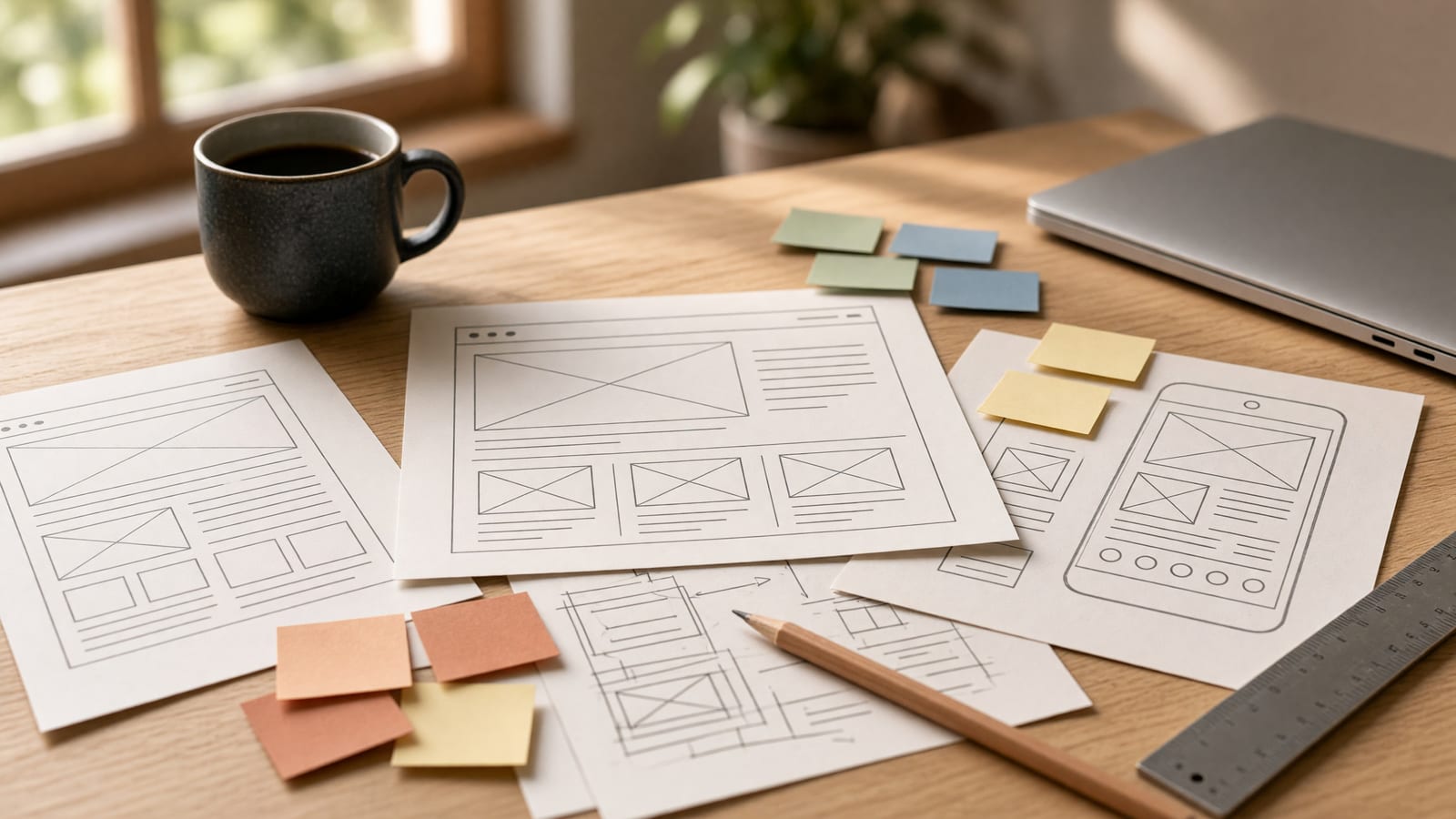
The fastest way to waste a shoot day is to show up and “see what happens”. Planning takes an hour or two a month and saves far more time in editing.
Pick three content pillars
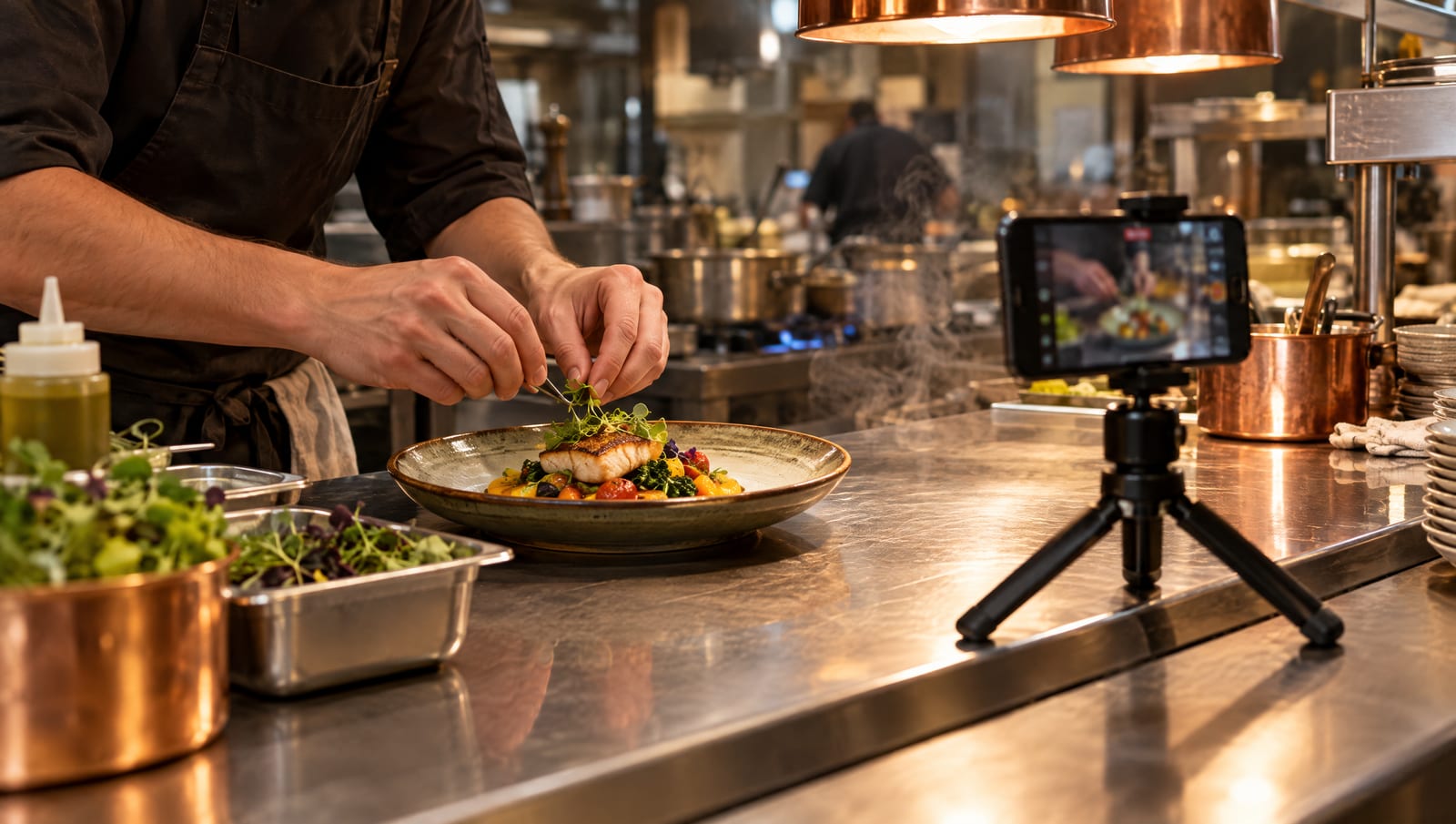
Choose three recurring themes tied to what you sell and what your customers ask about. For a restaurant, that might be: how a dish is made, the people behind the counter, and what’s new this week. For a wellness brand: myth-busting, routines that use the product, and the founder’s point of view. Pillars keep you from starting with a blank page every month, and they make it easier to compare results.
Write hooks and beats, not full scripts
Founders rarely sound natural reading a script. Instead, write each video as:
- Hook: the first line or visual. It should state the payoff or the tension (“Three things we stopped putting in our granola, and why”).
- Beats: three to five bullet points you’ll cover, in order.
- Close: one clear next step (visit, book, try, save this).
Write two or three versions of the hook for each video. Hooks are cheap to film, and they’re often the part most worth testing.
Build a monthly shot list
Turn the month’s ideas into a single list grouped by location and setup, not by video. If six videos need the kitchen and four need the storefront, film all the kitchen material together. Add a column for b-roll: hands at work, product close-ups, the space at opening time. B-roll is what lets you use one talking-head take in several different edits.
Shoot: one batch day replaces a studio
Batching is the core of a no-studio setup. One focused half day or full day a month usually produces more usable material than filming whenever there’s a spare moment.
The minimum kit
- A recent smartphone, set to record vertical 4K or 1080p at a consistent frame rate
- A wireless clip-on microphone (bad audio loses viewers faster than imperfect video)
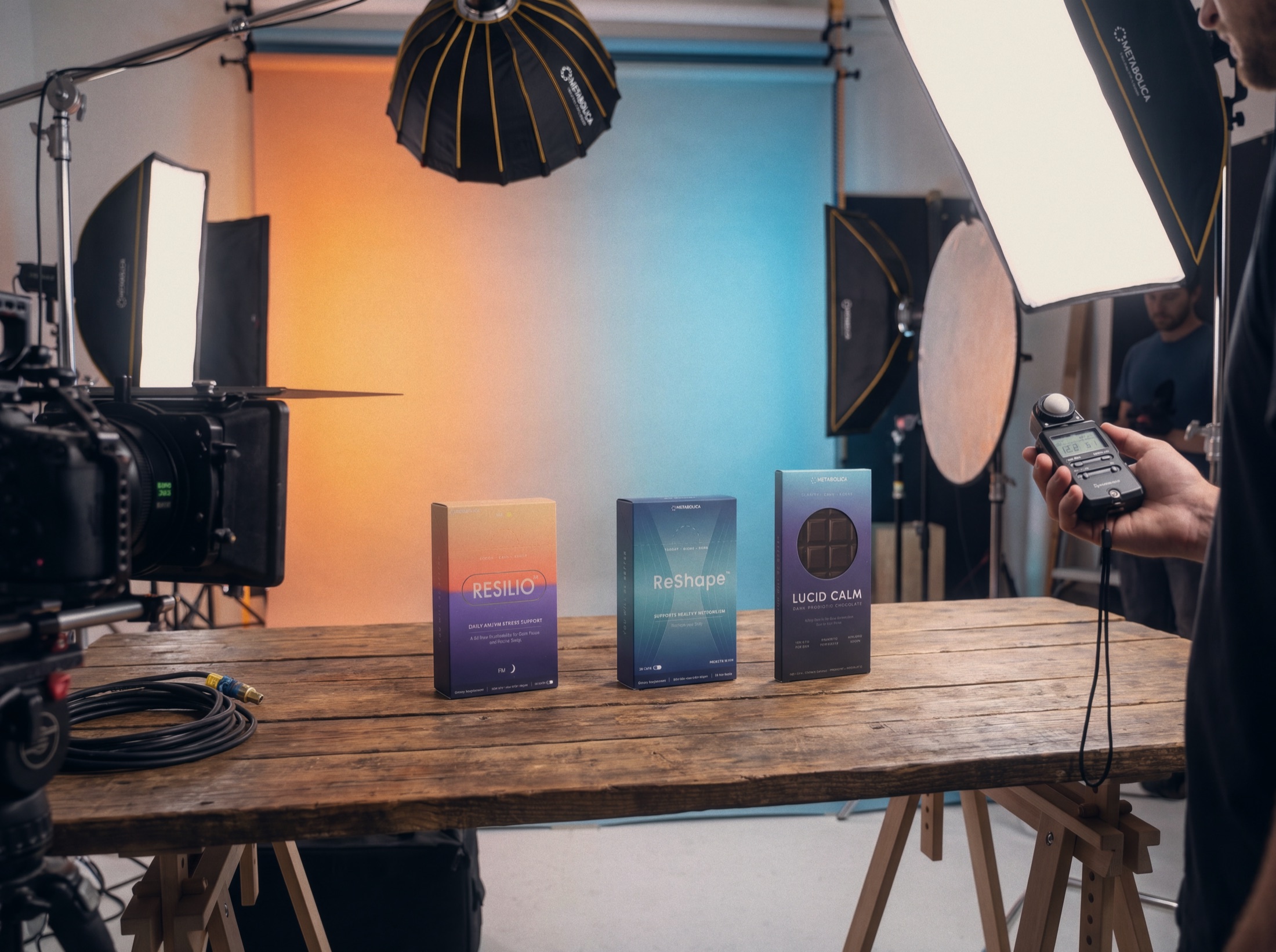
- A small LED light, or a spot next to a large window
- A tripod or clamp so the founder isn’t holding the phone
- A charged power bank and plenty of free storage
Lighting and sound matter more than camera upgrades.
Who goes on camera
The founder’s face and voice are often the brand’s best asset, because they carry a credibility no stock footage can match. But it doesn’t have to be only the founder. Staff, regulars who’ve agreed to appear, and the product itself in action all work. Get written permission from anyone who appears, and keep it on file.
Shoot for the edit
- Frame for safe zones. Keep faces and on-screen text away from the bottom and right edges, where captions and buttons sit on all three platforms.
- Record each hook separately, two or three times, so the editor can pick the strongest take.
- Leave a beat of silence before and after each take. It makes clean cuts easier.
- Capture 10 to 20 seconds of each b-roll shot. Short clips feel like plenty on set and turn out to be too little in the edit.
- Shoot a few horizontal clips only if you also need footage for your website or long-form YouTube. Otherwise, stay vertical.
Repurpose: one shoot, many cuts
This is where a few hours of filming becomes a month or more of posts.
Cut in layers
From each idea you recorded, an editor can usually produce:
- A main video (the full hook, beats and close)
- One or two shorter cuts that each focus on a single beat
- A version with a different hook for testing
- Stills or frame grabs for Stories, carousels or your newsletter
Do this across ten or so ideas and you have a full calendar without filming again.
Make each version native
Repurposing doesn’t mean posting the same file everywhere with another platform’s logo stamped on it. Export clean masters from your editing software, then adjust for each platform: where the on-screen text sits, caption length, cover image and sound. Trending audio differs between platforms, and a clean export keeps the video from looking recycled.
Originality also matters for reach. In April 2026, Instagram said accounts that regularly repost content they didn’t create, or mainly share other people’s work as photos and carousels, would no longer be eligible for recommendations, and noted that the same protections already applied to Reels. Filming your own footage is the simplest way to stay on the right side of that rule.
Captions and language versions
Burn captions into the video. Many people watch with the sound off, and captions also help with accessibility. If you market in Quebec, plan the French versions when you write the hooks, not as a translation afterwards. Hooks rarely translate word for word, and French on-screen text runs longer, so leave room in the frame. Our Bill 96 field guide covers the language rules for commercial content.
Test and measure without overthinking it
Posting is the start of the loop, not the end. Once a month, review your videos against a few signals:
- Average watch time and retention curve: where do people drop off? A steep drop in the first two seconds points to the hook.
- Shares and saves: stronger signs of value than likes.
- Profile visits, link clicks and enquiries: the numbers that connect video to revenue.
Compare results by pillar and by type of hook, not just video by video. One viral clip tells you little. A pillar that holds attention month after month tells you where to put your next shoot day. On Instagram, trial reels show a reel to non-followers first. They’re available to public accounts that meet a minimum follower count (200 for professional accounts). That’s a low-risk way to test a new hook or format before your existing audience sees it.
Who does what when there’s no studio
A lean setup usually splits the work like this:
- Founder: approves the pillars, appears on camera, and gives one or two hours a month to planning and a half or full day to filming.
- Coordinator or marketing lead: owns the calendar, the shot list, permissions and posting.
- Editor: turns raw footage into cuts ready for each platform, on a fixed weekly or monthly schedule.
The editor is usually the first role founders outsource, because the work is skilled, takes a lot of time and is easy to define. Some brands outsource the whole loop instead, so that planning, shooting, editing and paid promotion all follow the same brand system. That’s how JADX runs content as part of its services, and our pricing page shows how it fits into packaged monthly tiers. Whichever route you choose, the system matters more than who holds the phone.
FAQ
How many short-form videos should a small brand post per week?
There’s no universal number. Pick a pace you can keep up for three months without skipping, such as two or three videos a week, and judge the results on consistency rather than volume. A monthly batch shoot makes a steady pace much easier to keep.
Can I post the same video on Reels, TikTok and Shorts?
Yes, if it’s your own footage and you export a clean file for each platform rather than downloading from one app and reposting to another. Adjust the caption, cover and on-screen text placement for each platform. Small native touches help the video look like it belongs where it’s posted.
How long should my short-form videos be?
Shorts allow up to 3 minutes in 2026. Instagram allows longer reels but won’t recommend ones over 3 minutes to new audiences. Either way, that’s a limit, not a recommendation. Make the video as long as the idea needs and no longer; for most product or how-to content, that means well under a minute.
Do I need professional gear to start?
No. A recent smartphone, a clip-on microphone, decent light and a tripod cover most needs. Upgrade sound and lighting before the camera, and spend the rest of your budget on editing time.
What should I measure first?
Start with retention (where viewers drop off), shares and saves, and actions like profile visits or enquiries. Review them monthly by content pillar and hook style. Those patterns tell you what to film next far better than any single video’s view count.
A monthly note from JADX
Keep reading The Fine Print
One email a month for founder-led brands: brand, content, and paid media run as one system, plus the bilingual and compliance details most agencies skip. From the senior team doing the work. No fluff.