RestaurantsLocal searchPaid social
Restaurant marketing plan: a 90-day guide for independents
A 90-day restaurant marketing plan for independents: fix local search, build a video habit, track every reservation and test paid social carefully.
By JADX Agency · Published · 7 min read
A good restaurant marketing plan for an independent spot is not a 40-page deck. It is a short list of things you do every week, in the right order, with a way to see which ones put people in seats. Here is a 90-day version built around four levers: local search, short-form video, reservations tracking and paid social.
Before day 1: write down your baseline
You can’t judge a plan without a starting point. Spend an hour pulling these numbers for the last four weeks:
- Covers per week, split by lunch and dinner if you serve both
- Reservations by source (phone, website, Google, walk-in, third-party apps)
- Calls, direction requests and website clicks from your Google Business Profile
- Average rating and number of reviews on Google
- Followers and average views per post on Instagram or TikTok
Then pick one goal for the quarter. “Fill Tuesday and Wednesday dinners” is a goal. “Grow the brand” is not. Every task below should serve that one goal.
Days 1 to 30: fix the foundations
The first month is unglamorous. It is also where a lot of the return hides, because people looking for a meal nearby are already searching.
Get your Google Business Profile right
Your profile is often the first thing a hungry person sees. Google lets restaurants show their menu, take reservations and accept online orders directly from the listing. That includes a booking or waitlist option through Reserve with Google if your reservation platform supports it.
Google’s own guidance says local results are based mainly on relevance, distance and prominence. It also says more reviews and positive ratings can help your local ranking, as Search Engine Journal summarizes. You can’t move your address, so work on the other two:
- Relevance: choose the most accurate primary category, fill in every attribute that applies (patio, vegetarian options, private dining) and write a description that uses the words people actually search for, like your cuisine and neighbourhood.
- Complete details: confirm your hours, including holidays, and make sure your menu is current. A menu that lists last season’s dishes costs you trust.
- Photos: upload real, recent photos of dishes, the dining room and the front door. Add a few every week rather than 50 at once.
- Reviews: ask in person at the end of a good meal, and reply to every review, good or bad, within a few days. Short, specific replies beat templates.
Make every booking traceable
This step is easy to skip, and skipping it is why so many owners can’t tell whether Instagram works. The fix is simple: use a different link for every channel.
If you use OpenTable, its marketing tracking links let you create custom reservation links by source, such as Email, Google, Facebook or Instagram. OpenTable recommends replacing the generic booking URL on your Google Business Profile with one of these links. It also suggests a separate tracking link for each campaign or platform you want to compare. If you use another platform, ask your rep whether it offers the same feature or a Google Analytics integration.
For links that point to your own website, add UTM parameters. Google Analytics’ URL builder documentation explains how they work. At a minimum, set utm_source, utm_medium and utm_campaign so you can see where visits came from in your Analytics reports. A simple naming scheme keeps this clean:
- utm_source: instagram, facebook, google, newsletter
- utm_medium: social, paid-social, email, gbp
- utm_campaign: tuesday-tasting, patio-opening
Keep the scheme in a shared doc so whoever posts uses the same spelling every time.
Clean up the website basics
Check three things on your phone:
- The menu loads fast and is readable without zooming.
- The booking button is visible without scrolling.
- The hours match Google.
If you operate in Quebec, make sure your French content holds up. Our Bill 96 field guide covers what that means for signage and online copy.
Days 31 to 60: build a short-form video habit
Once people can find you and book you, give them a reason to choose you. Short vertical video is one of the cheapest ways for a restaurant to show what a meal feels like.
What to film
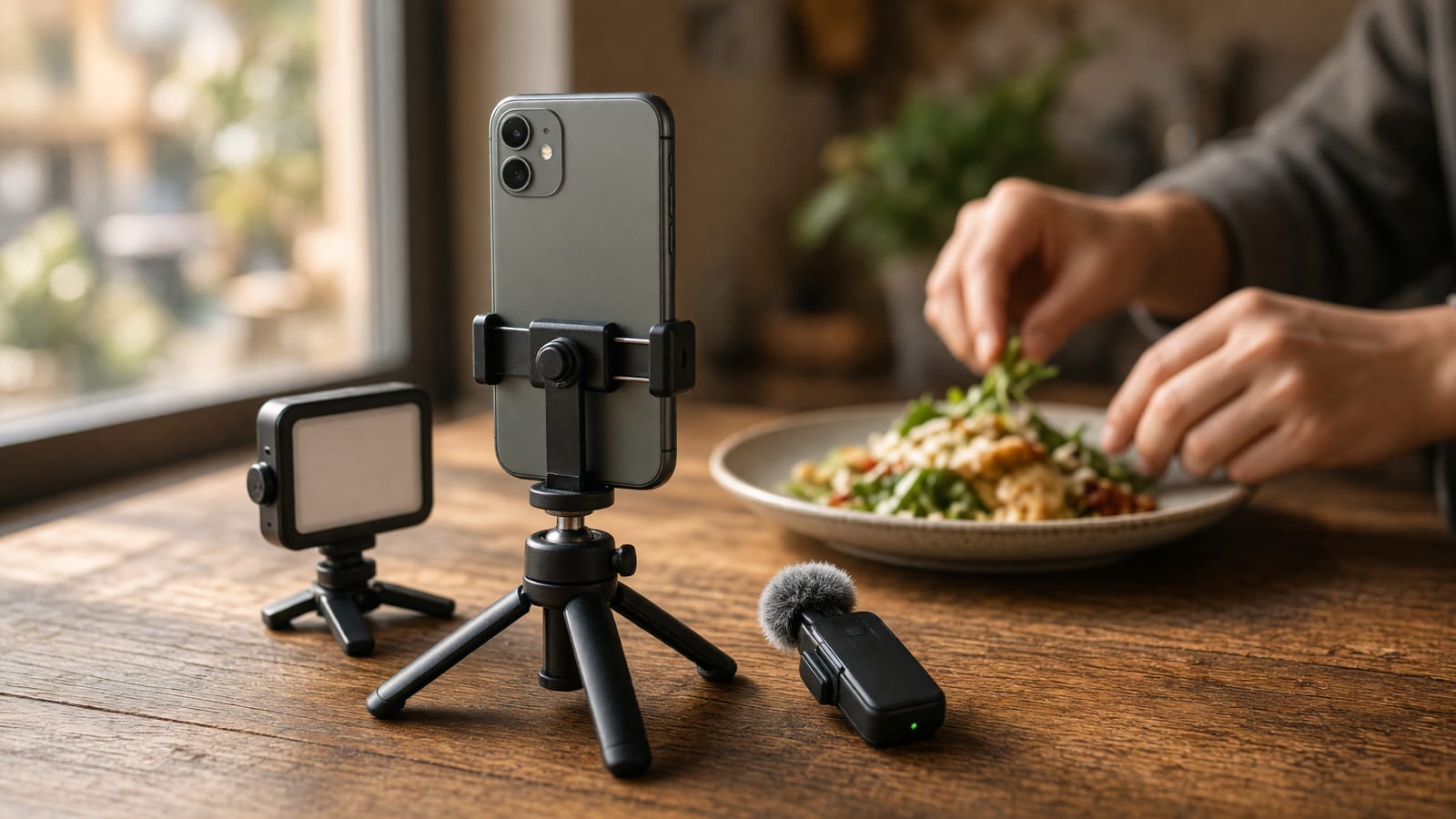
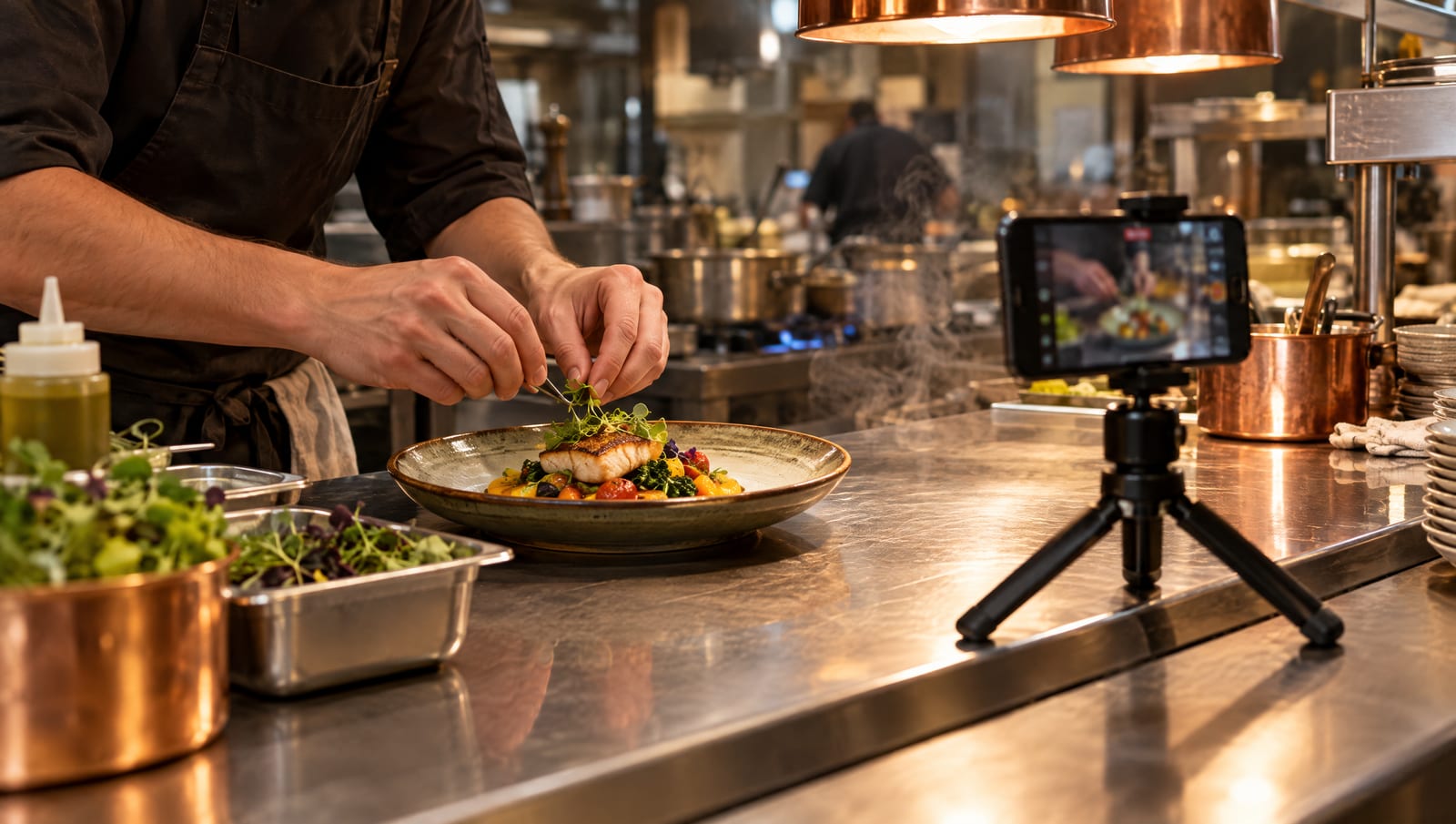
You don’t need a creator. You need a phone, decent light and a list of formats you can repeat:
- The pass: 15 seconds of a signature dish being plated, filmed from above
- The person: a cook or server explaining one dish in a sentence or two
- The prep: the slow, satisfying stuff, like dough being folded or stock being skimmed
- The room: the dining room filling up on a Friday, with real ambient sound
- The news: a new dish, a seasonal menu change or a special night, said plainly
Specs and rhythm
Film vertically in 9:16; 1080 by 1920 pixels is the common size for Reels. Later’s Reels guide covers the specs in more detail. The first few seconds decide whether people keep watching, so open on the food, not a logo, and keep restaurant clips short.
A realistic rhythm for a small team is one filming session a week, 45 minutes before service, that produces three or four clips. Post them across the week on Instagram and TikTok, and add your best stills to your Google profile. Every caption that mentions booking should use the tracked link for that platform.
By day 60, look at which formats got the most views. More importantly, look at which ones lined up with tracked bookings, and make more of those.
Days 61 to 90: add paid social, carefully
Paid social comes last on purpose. Ads amplify what already works. They don’t fix a weak profile or an empty content feed.
Start with a small, fixed test
Set a monthly test budget you can afford to lose, for example CA$450 (about CA$15 a day). Target a tight radius around the restaurant, plus any neighbourhood where your regulars live or work. Promote one or two Reels that already performed well organically instead of producing new ad creative.
One offer, one tracked link
Tie each ad to the goal you set before day 1. If the goal is midweek dinners, the ad gives people a midweek reason to come in and sends them to a booking link tagged for paid social. OpenTable says its ad tracking integrations can connect Google and Meta ads to reservations made through its widget, so bookings show up in the ad platform’s reporting.
Judge on bookings, not likes
After four weeks, divide ad spend by tracked reservations to get a cost per booking. Compare it with what an average table spends. If the numbers don’t work, change one thing at a time: the audience, the offer or the creative.
A weekly scorecard you will actually use
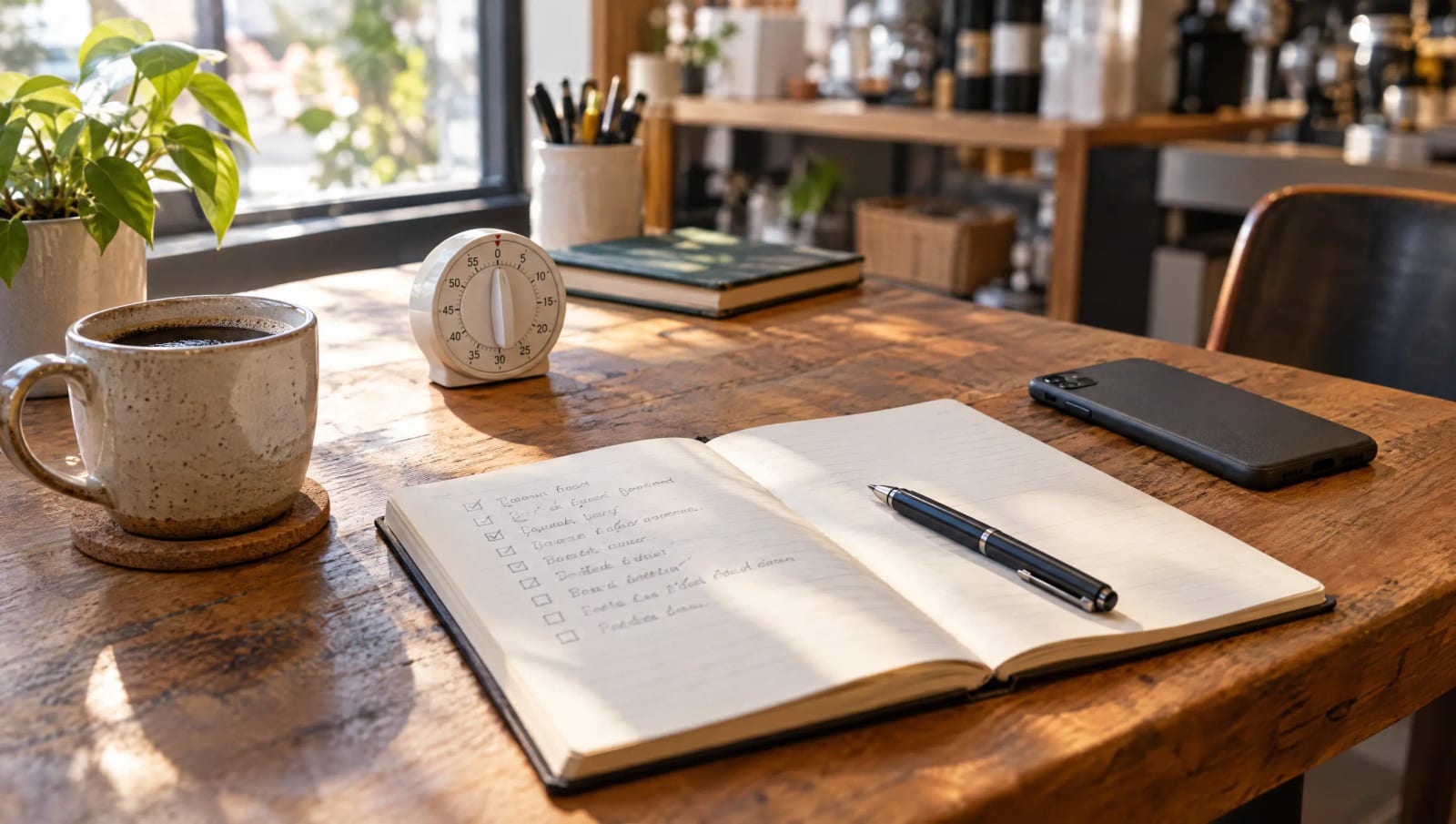
Every Monday, spend 15 minutes on five numbers:
- Covers last week versus your baseline
- Reservations by source, from your tracking links
- Google profile calls, direction requests and website clicks
- New Google reviews and your average rating
- Paid social spend and tracked bookings
If you want a second pair of eyes on your starting point, our free Marketing X-Ray reviews your site, ads and social and flags what to fix first.
What to keep, cut and scale at day 90
At the end of the quarter, sort every activity into three groups:
- Keep what produced tracked bookings at a cost you can live with.
- Cut what took time and showed nothing.
- Scale the one or two things that clearly worked, whether that’s more Reels in a winning format or a bigger budget on a proven ad.
That decision becomes the first page of your next 90-day plan.
If you’d rather hand the work to a team that does this for restaurants every week, JADX runs local search, video and paid social as one program through our hospitality practice.
FAQ
How much should an independent restaurant spend on marketing in 90 days?
There is no single right number, because it depends on your margins, seats and goals. Start with the free work: your Google profile, tracked links and organic video. Add a small, fixed paid social test only in the last month, and increase it only if your cost per booking makes sense.
Do I need a reservation system to track marketing results?
It helps a lot. Platforms such as OpenTable let you create tracked reservation links by channel, which is the clearest way to see what drives bookings. If you take bookings by phone, ask callers how they heard about you and log the answer in a simple sheet.
Is TikTok or Instagram better for restaurants?
Post the same vertical clips to both for the first 60 days and let your numbers decide. Look at views and, more importantly, tracked bookings by platform. If one clearly outperforms the other for your restaurant, put most of your effort there.
How long before a restaurant marketing plan shows results?
Google profile fixes and tracked links can show changes in calls and bookings within weeks. Short-form video usually takes longer, since you need enough posts to learn which formats work. That’s why the plan runs 90 days before you judge it.
A monthly note from JADX
Keep reading The Fine Print
One email a month for founder-led brands: brand, content, and paid media run as one system, plus the bilingual and compliance details most agencies skip. From the senior team doing the work. No fluff.